Traditional sales funnels often lose energy at the bottom, forcing teams to constantly restart the acquisition process from zero. The Flywheel Model shifts this perspective by treating customer satisfaction as a primary fuel source, ensuring that every successful interaction creates the momentum needed for the next sale.
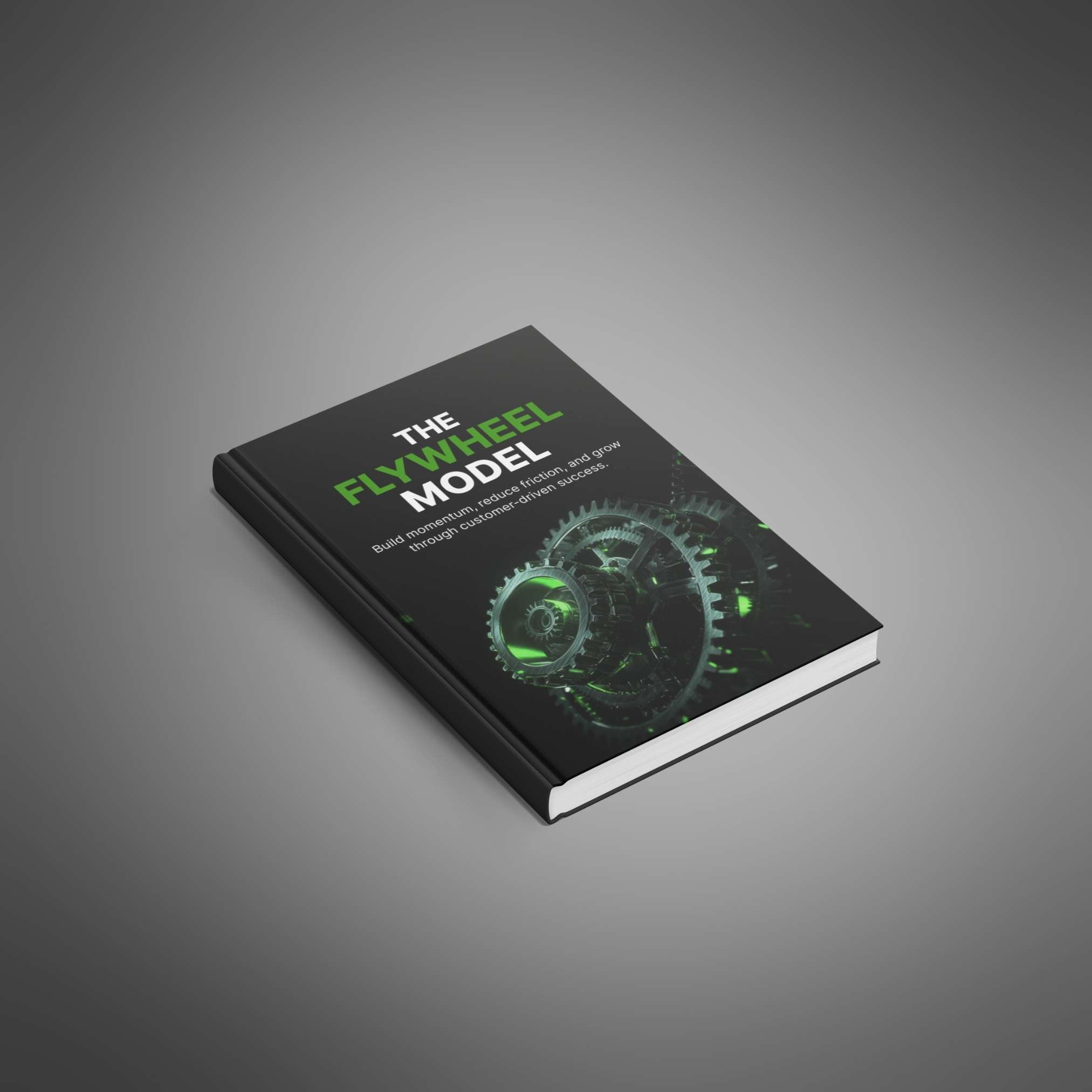
What's inside
- Implementation steps for transitioning from linear funnels to a flywheel model
- Strategies for increasing customer retention and repeat engagement
- Methods for building trust to convert one-time buyers into active brand advocates
- Performance tracking tools to identify business friction and momentum
- Case studies of businesses that accelerated growth using flywheel mechanics
What you will learn
- The inherent inefficiencies and costs associated with the traditional funnel model
- How to design a self-sustaining system where existing customers drive new acquisitions
- Optimization techniques for every touchpoint of the customer journey
- Quantitative methods to measure and maintain business momentum
- Tactics for streamlining operations to reduce friction and manual effort
This guide is built for founders and growth marketers who want to move away from isolated sales transactions toward a compounding growth strategy. By removing operational friction and prioritizing the customer experience, you can establish a business that eventually generates its own forward motion through word-of-mouth and smart systems.