Rest is often the most overlooked variable in high-performance routines. By aligning daily habits with biological needs, individuals can stabilize their energy levels and sharpen their decision-making capabilities. This analysis looks past surface-level advice to address the underlying mechanics of how the body recovers. Optimizing sleep environments and evening schedules provides a competitive edge in both health and business. Implementing these science-backed protocols helps mitigate the impact of daily stress and builds a sustainable foundation for long-term productivity and physical well-being.
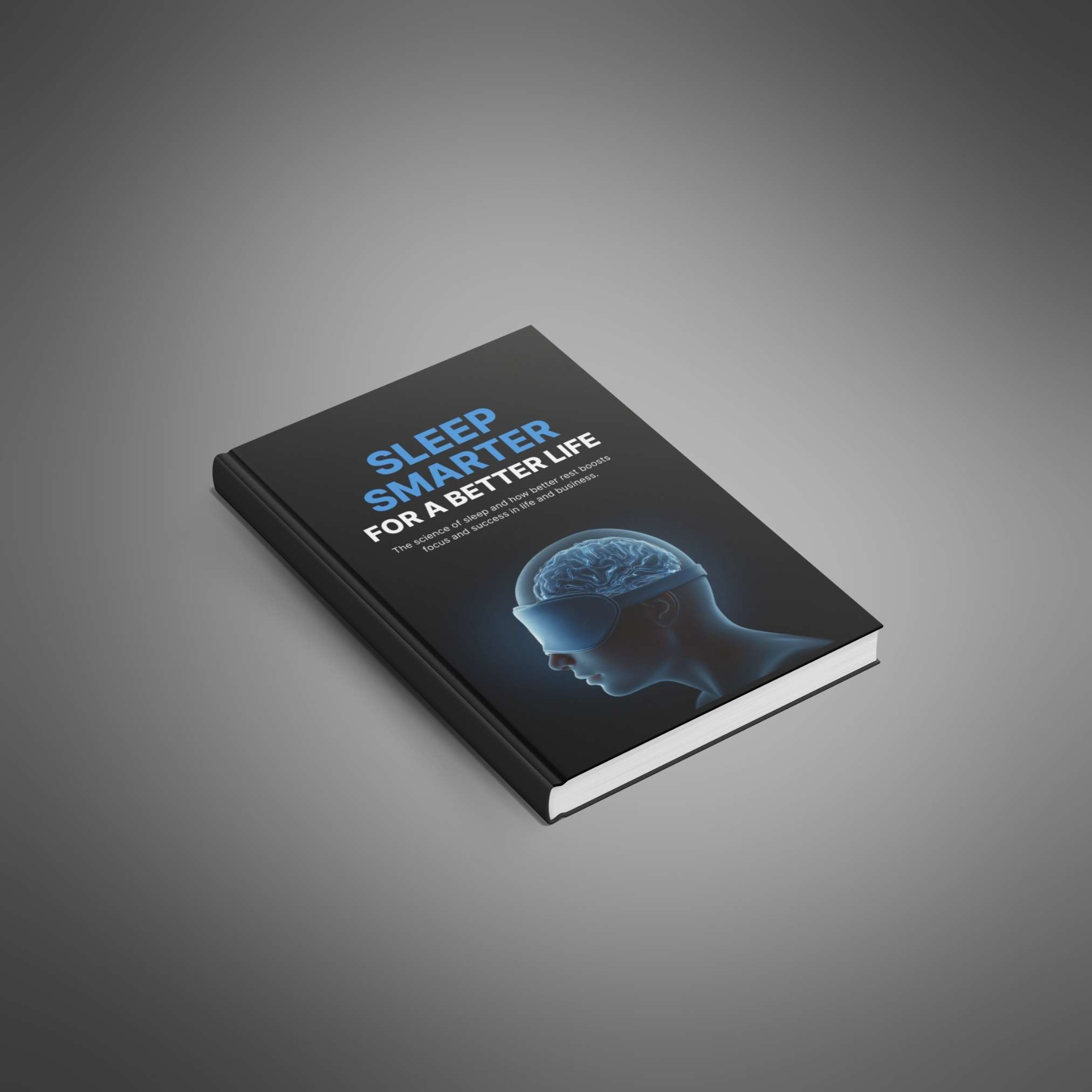
What's inside
- Evidence-based analysis of sleep's role in mental and physical health
- Framework for building a functional bedtime routine
- Environmental and scheduling adjustments for sleep-friendly spaces
- Data on the correlation between sleep quality and cognitive success
- Practical resting strategies adapted for demanding schedules
What you will learn
- The physiological link between sleep quality and cognitive sharpness
- Micro-habits that facilitate high-quality evening rest
- Methods to increase morning energy and sustain daytime focus
- Common routine disruptions that compromise sleep integrity
- Strategic ways better recovery translates to professional and personal success

This guide is designed for professionals and individuals looking to resolve poor recovery habits through incremental, science-based changes. It provides a practical roadmap for anyone prioritizing long-term energy and focus as a means to improve their daily output.