Standard approaches to habit-building often treat willpower as a sustainable resource, yet relying on sheer effort frequently leads to burnout and failed routines. True behavioral change occurs when motivation is replaced by a structured system designed to function consistently, regardless of energy levels or external stress. This framework explores why trying harder is often the root cause of failure rather than the solution. By shifting focus toward engineering environment and routine loops, it becomes possible to automate positive actions and bypass the friction that typically derails long-term progress.
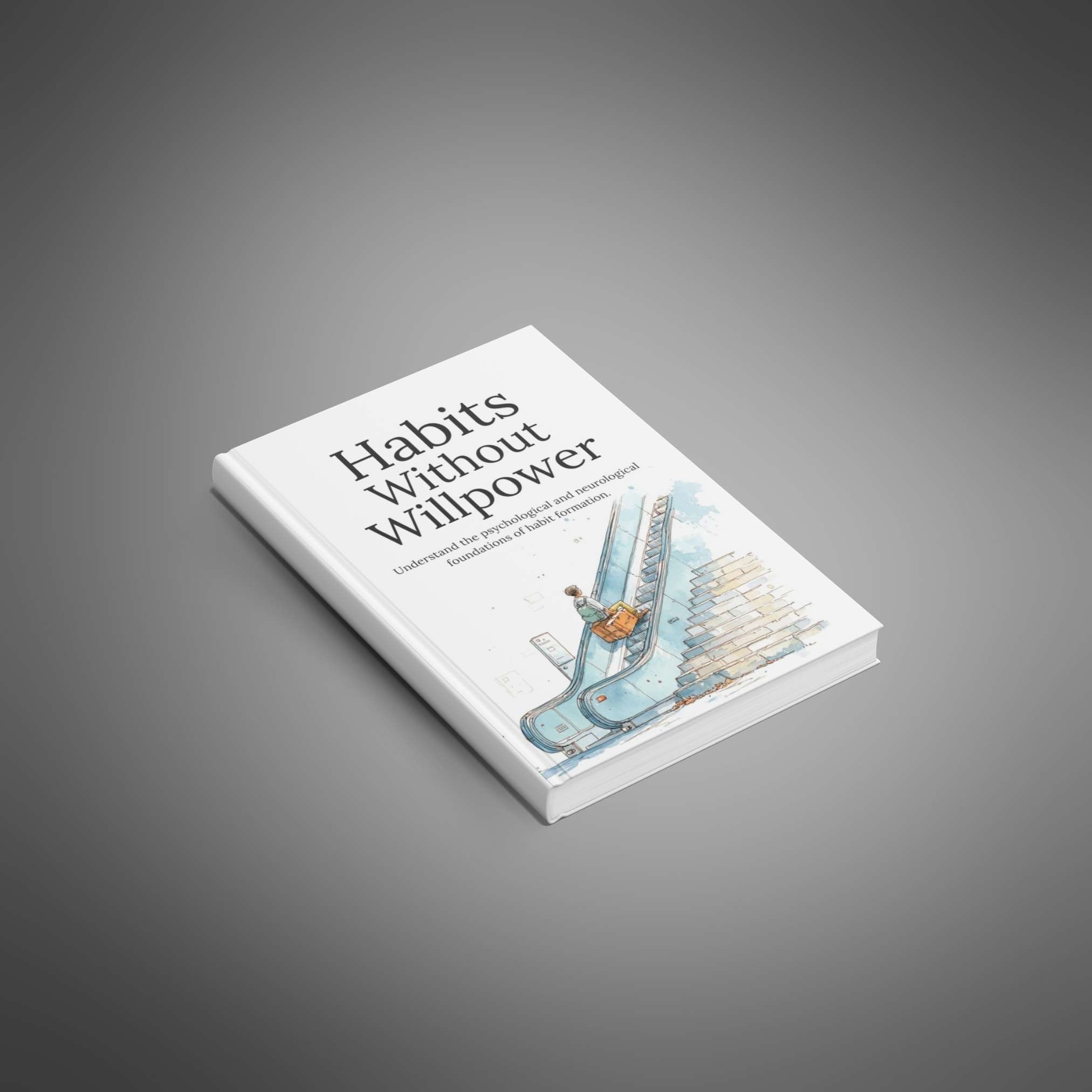
What's inside
- A breakdown of the motivation wave and why it eventually crashes
- Analysis of the cue-routine-reward loop with strategies for rewiring it
- Environmental redesign tactics to make optimal choices the path of least resistance
- Habit stacking methods to anchor new behaviors to existing routines
- The Never Miss Twice strategy for rapid recovery after setbacks
What you will learn
- Identify why discipline and motivation are unreliable foundations for long-term change
- Understand how brain autopilot loops dictate daily behavior
- Manipulate friction levels to encourage good habits and discourage bad ones
- Implement micro-starts to bypass the brain's natural resistance to change
- Recover from missed days without entering a total restart cycle
This resource is designed for individuals who have struggled with inconsistent routines or are looking to optimize their daily patterns through behavioral science. It provides a practical, brain-friendly system for becoming an intentional architect of your own habits, moving away from high-friction discipline toward automated success.